
Maintaining excellent oral hygiene goes far beyond daily brushing and flossing. One of the most effective professional dental procedures to ensure long-term oral health is scaling and polishing of teeth. This treatment not only enhances the appearance of your smile but also plays a critical role in preventing gum disease and other dental issues.
In this comprehensive guide, we will explore everything you need to know about this essential dental procedure, including its benefits, process, aftercare, and why regular visits to a qualified dental professional are crucial.
What is Scaling and Polishing of Teeth?
Scaling and polishing of teeth is a routine dental procedure performed by a dentist or dental hygienist to remove plaque, tartar (calculus), and stains from the surface of teeth.
- Scaling involves removing hardened deposits from above and below the gum line.
- Polishing smoothens the tooth surface, making it harder for plaque to accumulate again.
This procedure is not just cosmetic—it is a preventive treatment that supports overall oral health.
Why is Scaling and Polishing of Teeth Important?
Even with proper brushing, certain areas of the mouth are difficult to clean. Over time, plaque hardens into tartar, which cannot be removed with regular brushing.
Here’s why scaling and polishing of teeth is essential:
- Prevents gum diseases like gingivitis and periodontitis
- Removes stubborn stains caused by tea, coffee, and smoking
- Helps eliminate bad breath
- Maintains overall oral hygiene
- Enhances the natural shine of teeth
Ignoring professional cleaning can lead to serious dental complications, including tooth loss.
Signs You Need Scaling and Polishing
You may require scaling and polishing of teeth if you notice:
- Bleeding gums while brushing
- Persistent bad breath
- Yellow or brown deposits on teeth
- Gum swelling or tenderness
- Receding gums
If you experience any of these symptoms, it is advisable to consult a dental expert immediately.
Step-by-Step Procedure of Scaling and Polishing of Teeth
Understanding the process can help reduce anxiety and encourage regular dental visits.
1. Oral Examination
The dentist examines your teeth and gums to assess plaque buildup and gum health.
2. Scaling
Using ultrasonic instruments or manual tools, tartar and plaque are carefully removed from tooth surfaces and beneath the gums.
3. Polishing
A special polishing paste and rotating brush are used to smooth the teeth, making them shiny and clean.
4. Rinsing
The mouth is rinsed thoroughly to remove debris.
5. Fluoride Application (Optional)
In some cases, fluoride treatment is applied to strengthen enamel.
The entire process is typically painless and completed within 30–60 minutes.
Benefits of Scaling and Polishing of Teeth
1. Prevents Gum Disease
Scaling removes bacteria responsible for gum infections, significantly reducing the risk of gingivitis and periodontitis.
2. Improves Oral Hygiene
It eliminates plaque and tartar that cannot be removed by brushing alone.
3. Freshens Breath
Bad breath is often caused by bacterial buildup. This treatment effectively eliminates the root cause.
4. Enhances Appearance
Polishing removes stains and gives your teeth a brighter, cleaner look.
5. Protects Teeth
By preventing gum disease, scaling and polishing help preserve the structure of teeth.
6. Early Detection of Dental Issues
Regular dental visits allow early identification of cavities, infections, or other concerns.
7. Boosts Confidence
A clean and bright smile improves self-esteem and overall confidence.
Is Scaling and Polishing Painful?
A common misconception is that scaling and polishing of teeth is painful. In reality, the procedure is generally comfortable.
- Mild sensitivity may occur in some cases
- Advanced gum disease may require local anesthesia
- Modern equipment ensures minimal discomfort
Most patients find the procedure easy and manageable.
How Often Should You Get Scaling and Polishing Done?
The frequency depends on individual oral health conditions:
- Every 6 months for routine maintenance
- Every 3–4 months for patients with gum disease
- As recommended by your dentist
Regular cleaning ensures optimal oral health and prevents complications.
Aftercare Tips Following Scaling and Polishing
Proper care after the procedure enhances results and maintains oral hygiene.
- Avoid hot or cold foods for a few hours
- Use a soft-bristled toothbrush
- Maintain regular brushing and flossing
- Limit staining foods like coffee and tobacco
- Stay hydrated
- Follow dentist recommendations
Good oral habits help prolong the benefits of scaling and polishing of teeth.
Common Myths About Scaling and Polishing of Teeth
Myth 1: It Damages Teeth
Fact: The procedure is safe and does not harm enamel when performed by professionals.
Myth 2: It Creates Gaps Between Teeth
Fact: Scaling only removes tartar deposits, revealing the natural tooth structure.
Myth 3: It Weakens Teeth
Fact: It actually strengthens oral health by removing harmful bacteria.
Myth 4: It is Only Cosmetic
Fact: Scaling and polishing are essential for preventing gum disease and maintaining oral health.
Who Should Avoid Scaling and Polishing?
While the procedure is safe for most individuals, certain cases require caution:
- Patients with severe medical conditions
- Individuals with highly sensitive teeth
- Those with specific dental complications
Always consult a qualified dentist before undergoing treatment.
Role of Advanced Technology in Dental Cleaning
Modern dentistry has significantly improved the effectiveness of scaling and polishing of teeth.
- Ultrasonic scalers provide precise cleaning
- Laser-assisted procedures enhance comfort
- Advanced polishing techniques ensure smoother results
These innovations make the procedure quicker, safer, and more efficient.
Importance of Choosing the Right Dental Expert
Selecting an experienced dental professional ensures safe and effective treatment. Skilled dentists use advanced tools and follow strict hygiene protocols to deliver the best results.
Expert Care for Your Smile
For professional and reliable dental care, consult:

Prof. (Dr.) Sarika Chaudhry Solanki
BDS, MDS, MD (Dental Lasers)
Director and HOD, Dental Sciences
Website: Venkateshwar.dental
Address: Sector 18, Dwarka, New Delhi
Contact: +91 – 72900 – 72980
Landline: 011 – 48555555
With extensive expertise in dental sciences and modern techniques, expert care ensures optimal oral health and patient comfort.
Why Regular Dental Visits Matter
Routine dental check-ups are essential for maintaining oral hygiene and preventing serious conditions. Scaling and polishing of teeth should be a part of your regular dental care routine.
Benefits of regular visits include:
- Early detection of dental issues
- Professional cleaning
- Personalized oral care advice
- Long-term cost savings
Lifestyle Tips to Maintain Clean Teeth
Maintaining oral hygiene between dental visits is equally important.
- Brush twice daily using fluoride toothpaste
- Floss regularly
- Use antibacterial mouthwash
- Avoid excessive sugar intake
- Quit smoking
- Stay hydrated
Consistency in oral care ensures lasting results.
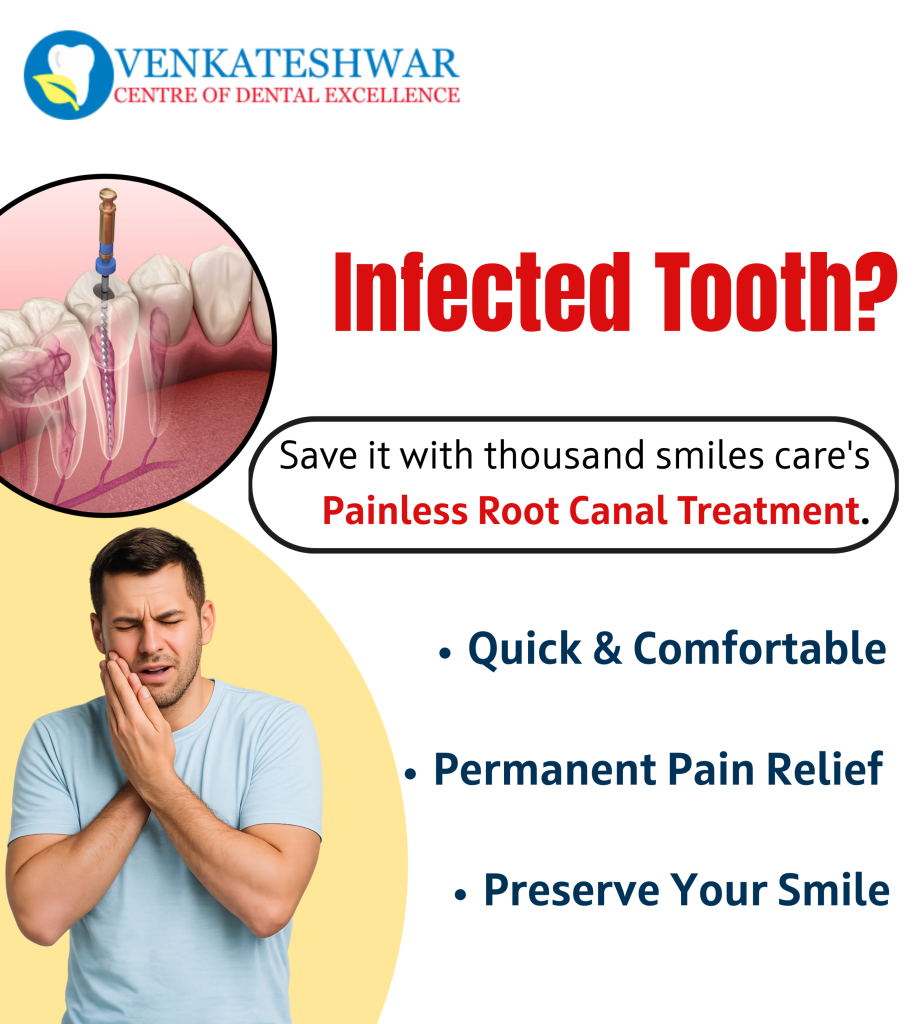
Why Scaling and Polishing of Teeth is Essential for Preventing Dental Infections
Ignoring early signs of plaque buildup can often lead to serious dental problems, including infections that may require procedures like root canal treatment. This is where scaling and polishing of teeth plays a crucial preventive role. By removing harmful bacteria, tartar, and stains from the tooth surface and below the gum line, this professional cleaning procedure helps maintain healthy gums and prevents the progression of decay. Regular scaling and polishing not only keep your smile bright but also significantly reduce the risk of painful dental conditions, ensuring long-term oral health and comfort.
Conclusion
Scaling and polishing of teeth is a fundamental dental procedure that goes beyond aesthetics. It plays a crucial role in maintaining oral hygiene, preventing gum diseases, and enhancing overall dental health.
Regular professional cleaning, combined with good oral hygiene practices, ensures a healthy and confident smile. If you are experiencing any signs of plaque buildup or gum issues, scheduling a dental appointment at the earliest is highly recommended.
Investing in your oral health today can prevent serious dental problems in the future and help you maintain a bright, healthy smile for years to come.
